Twelve Sarmi and a Small Diplomatic Incident
I still insist that the evening in Sarajevo ’84 in Ljubljana was not gluttony.
It was research.

The first clay bowl arrived quietly, the way serious food always does. No theatrics, no unnecessary decoration. Just two large sarmi resting in a shallow lake of deep orange-red sauce, steam rising slowly as if the dish itself was breathing.
I leaned closer.
The cabbage leaves were the first thing that caught my eye. Soft, almost silky from long cooking, their pale golden edges slightly translucent. They carried that gentle fermented sourness only proper Balkan cabbage has — the kind that wakes up the appetite before the first bite even lands.
The sauce was something else entirely.
A thick, glossy red pepper and butter sauce, the surface shimmering with tiny droplets of melted butter. The smell hit first: sweet roasted paprika, slow-cooked onions, and that warm comforting scent that only appears when food has been simmered long enough to forget time.
I cut one open.
Inside was perfection.
A compact but tender mixture of minced meat and rice, the grains swollen and soft, each one stained slightly red from the sauce. Tiny black pepper specks. A whisper of garlic. Everything held together but still loose enough to fall apart when touched by the fork.
Steam escaped like a small cloud.
I took the first bite.
The cabbage gave way instantly, sour and gentle.
Then the filling — rich, savory, perfectly seasoned — followed by the buttery paprika sauce that wrapped everything together with a soft, slightly spicy warmth that built slowly rather than attacked.
I paused.
Then I nodded once, very seriously, and waved the waiter over.
“Another.”
The second bowl arrived.
Then the third.
By the fourth, the waiters had begun to notice.
Two sarmi per bowl.
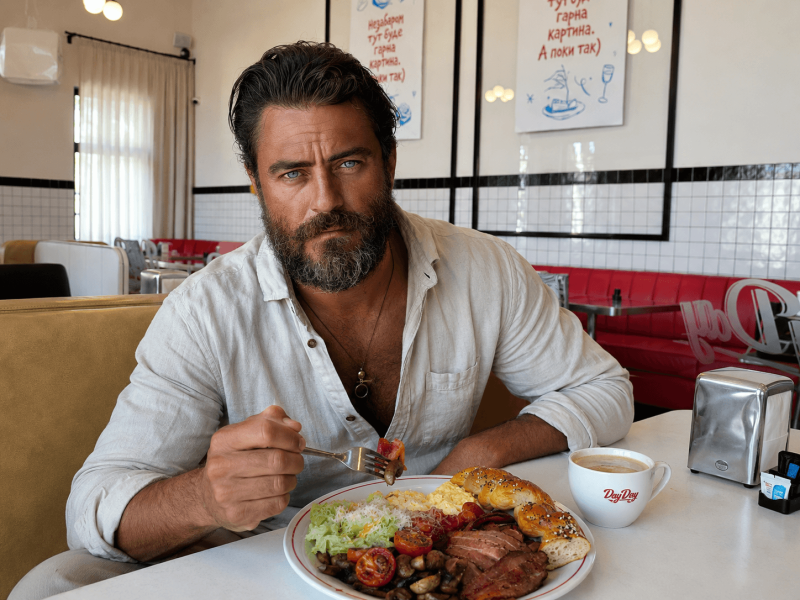
Me eating them with the calm focus of a man solving a scientific problem.
By bowl five, the kitchen door had opened slightly.
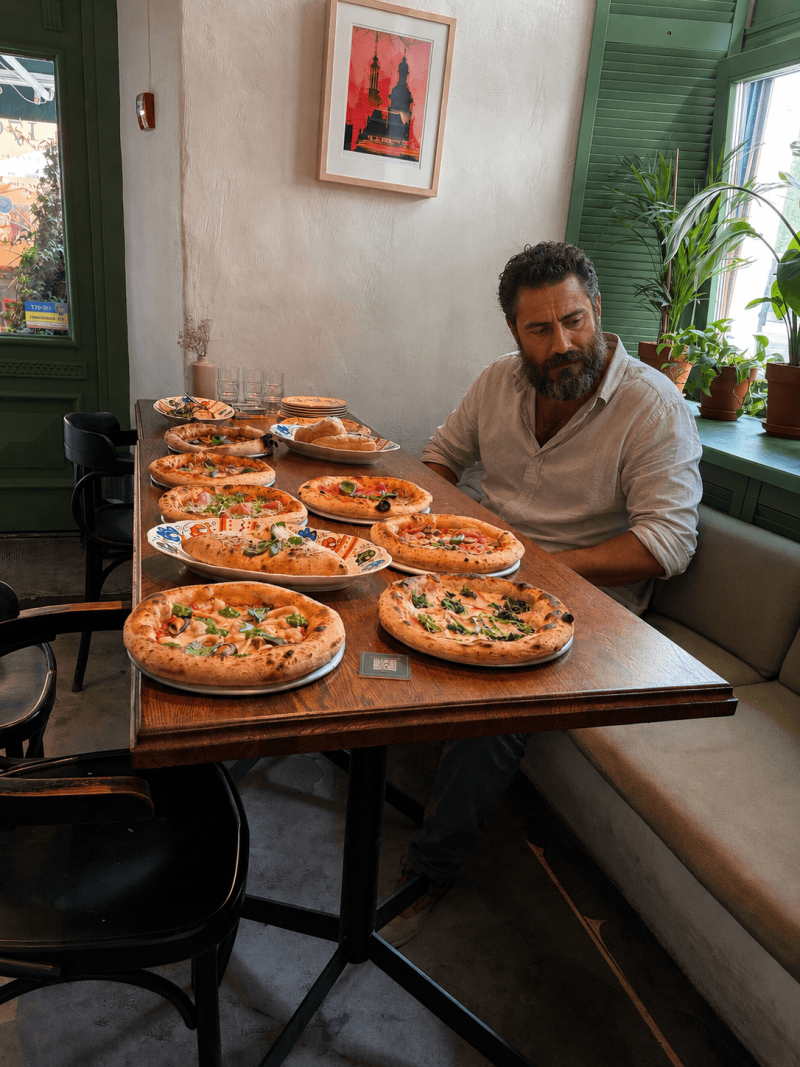
By bowl six — twelve sarmi in total — three waiters and one cook were standing nearby pretending to wipe tables while quietly observing what had clearly become an event.
I finished the last bite, wiped the remaining paprika butter with a piece of bread, leaned back in the chair, and sighed with complete satisfaction.
One of the waiters finally asked:
“Sir… were they good?”
I looked at the empty bowls.
“Good?” I said.
“My friend… if the Emporium had a Balkan food department, these would cause a small interdimensional trade war.”
I paused, then added:
“This is how diplomatic incidents start… and they can get dark quickly. One recipe, one claim, one refusal to share — and suddenly it’s no longer about food.”
The waiter went quiet.
I gave a small smile.
“That’s why, when needed… someone has to step in early.”
“To resolve it?” he asked.
“And to verify the dish,” I said.